


Hot Topic: Pop Culture Fashion
4.03.94K Reviews
App Specs
- Version
- 2025.SS-1.1.2
- Updated On
- License
- Free
- Downloads
- 1,000,000+
- Developer
- HOTTOPIC INC
- Categories
- Shopping
- Platform
- Android, iOS
Screenshots
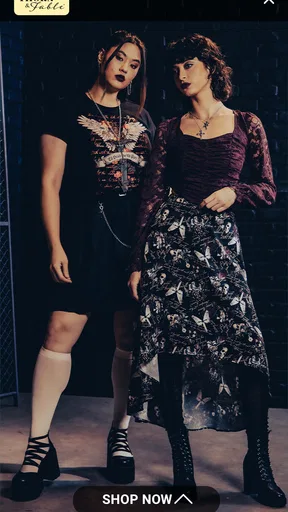
 Analysis by AppCompare
I approached Hot Topic: Pop Culture Fashion as a shopping app for the moments when browsing fandom clothing and collectibles feels more useful than wandering through a general marketplace. It is published by HOTTOPIC INC and focuses on officially licensed music and pop-culture merchandise, including Funko releases and fashion-led items. My overall impression is that it works best as a focused destination for fans who already know the kind of design, character, band, or collection they want to explore.
The app is free, rated for Everyone, and available for devices running Android 8.0 or later. It has built a sizable audience, with more than a million installs and an average rating of around four stars from roughly fourteen thousand ratings. Those figures suggest a familiar, established shopping experience rather than a brand-new experiment, although they do not remove the need to judge the app by how well it fits your own buying habits.
How the shopping experience feels in everyday use
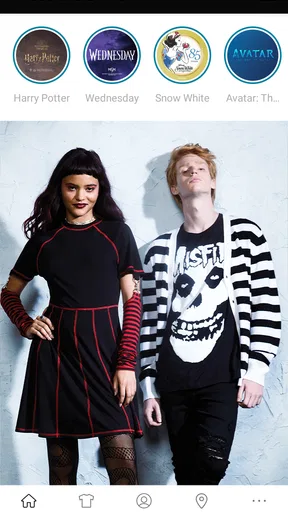
My first useful observation is that this is not the kind of app I would open when I want the widest possible selection of ordinary clothing. Its appeal comes from the narrower identity of the store. The catalog is built around fandom, alternative fashion, music culture, collectibles, and licensed designs, so the browsing experience feels more purposeful than a general retail app when I am looking for something with a recognizable theme.
That focus can also make the app feel busier than a simple clothing catalog. A shopper may move between apparel, accessories, collectibles, and character-driven products rather than following one clean fashion path. I see that as part of the personality of the store, but it means users who prefer a quiet, minimalist shopping interface may need more patience while deciding what belongs in the basket.
In normal use, I would expect the app to feel quickest when I already have a target in mind. Searching for a particular artist, series, character, or type of item gives the experience a clear direction. Casual discovery is still valuable, especially for someone building a themed outfit or gift, but it can take longer because the interesting part of the catalog is the variety itself.
A realistic example would be preparing for a concert or a themed birthday gift. I might open the app to look for a graphic top, then check related accessories and finish by browsing collectible items for a second gift idea. That workflow is more natural here than in a broad marketplace because the products share a pop-culture context. The trade-off is that I would still compare sizing, design details, and total purchase conditions carefully before treating a visually appealing item as the final choice.
Speed expectations when browsing
The current version is identified as 2025.SS-1.1.2, which tells me the app is maintained as a current shopping product rather than being abandoned after its original release. It first appeared on February 16, 2017, so the service has had time to develop a recognizable retail identity. I would still separate age and version history from a promise of perfect speed: a modern version can be current without every screen feeling equally light on every phone.
Worth Reading Before You Choose

EA SPORTS FC Mobile 26 Is a Bigger Football Game, but It Takes Time

Flipboard Shows What News Apps Must Do Beyond the Feed

Switching to Android Auto Means Rethinking Your Driving Routine

Google Calendar Makes a Crowded Week Easier to Manage

Ludo King Makes the Most of the Minutes Between Plans

Baby Panda World Brings Quick Play to Modern Phones, but Its Game Library Feels Busy
For a shopping app like this, perceived speed is not only about opening the home screen. It also depends on how quickly I can move from a theme to a product, inspect an item, return to results, and keep track of what I have already considered. The focused catalog helps because I am not searching through every type of product on the internet, but the image-heavy nature of fashion and collectibles can make browsing feel more demanding than reading a text-based store.
My practical advice is to use the app with a clear shopping intention when time matters. If I need a gift soon, I would search by fandom or product type first, save promising options mentally or in the basket, and only then browse recommendations. If I am simply looking for inspiration, I would allow more time and avoid assuming that the first attractive design is the best value or the easiest item to wear.
What happens during heavier shopping sessions
The most demanding moments are likely to come from extended visual browsing rather than from a single product lookup. Comparing several designs, switching between clothing and collectibles, and repeatedly opening product pages creates a heavier session than checking one item and leaving. On a device with limited free storage or modest resources, image-rich browsing may feel less comfortable than it does on a newer phone.
I would not call that a reason to avoid the app. It simply changes how I use it. For a quick search, the experience should be easier to manage than a long session spent inspecting every category. If I am planning a full outfit, shopping for several people, or exploring new fandom merchandise, I would keep other demanding apps closed and avoid treating the phone as if it were a desktop browser with unlimited room for tabs and images.
One non-obvious advantage of a focused store is reduced decision noise. A general marketplace may show countless unrelated sellers and near-duplicate products, while this app gives me a stronger sense of the brand’s own pop-culture range. That can make a heavy session mentally easier even when it remains visually busy. The weakness is that a focused catalog may also narrow my alternatives, so I would compare elsewhere if I need a plain garment, a specific material, or the lowest possible price.
Another useful workflow is to separate discovery from commitment. I can browse themes first, identify the products that genuinely fit the occasion, and only then examine practical details such as size and design placement. This avoids making a purchase simply because a familiar character or band catches my attention. For fandom shopping, that pause matters because emotional appeal can be stronger than everyday usefulness.
Reliability, recovery, and trust while shopping
Reliability in a shopping app means more than whether it opens. I want the product view to remain understandable, my choices to stay clear, and the process to recover gracefully if I leave the app or lose concentration. My confidence in Hot Topic comes partly from its established presence and its substantial install base, but I would still treat every purchase as a transaction that deserves a final review before completion.
If the app is interrupted during browsing, my safest habit would be to return to the item from the search or category rather than assuming that every previous choice is still active. This is especially sensible when switching between variants or considering several similar designs. I would check the selected size, quantity, and product description again before placing an order, because a visually similar item is not necessarily the one I intended.
That recovery habit is useful for any retail app, but it matters more here because the catalog mixes fashion with collectibles. A clothing item can involve fit and wearability, while a collectible is judged more by design, display appeal, and collection relevance. I would not use the same decision standard for both, and I would avoid relying on a quick glance at a thumbnail when returning to a product after an interruption.
The app’s Everyone content rating makes it approachable for general household browsing, including gift research with younger users. Still, an age rating describes content suitability, not whether every product is appropriate for every person’s style, budget, or wardrobe. I would guide a younger shopper through the practical side of the decision rather than treating the rating as a recommendation to buy.
Device limits and who should use it
Because the minimum operating-system requirement is Android 8.0, the app is accessible to many older Android phones. That is helpful for someone who does not upgrade frequently. At the same time, compatibility is only the starting point. An older compatible device may have less comfortable image rendering, less free storage, or more pressure during a long browsing session than a recent phone.
On a smaller screen, detailed apparel graphics and product images may require more careful inspection. I would rotate my attention between the image and the written description instead of judging an item entirely from a thumbnail. This is particularly important for dark designs, small logos, and products where the placement of the artwork affects how wearable the item feels.
People who should get the most from this app are fans who want licensed pop-culture fashion, shoppers looking for a themed gift, and collectors who enjoy checking Funko-related releases alongside other merchandise. It is also a sensible option for someone who prefers buying from a recognizable specialist rather than sorting through anonymous marketplace listings.
I would be more cautious recommending it to a shopper who wants basic clothing without character art, a very broad comparison across unrelated retailers, or a highly streamlined bargain-hunting routine. Someone who cares most about technical apparel specifications, neutral designs, or comparing many competing sellers may be better served by a general fashion marketplace. The app’s strength is its identity, and that same identity limits its usefulness outside fandom-oriented shopping.
Practical ways to get better results
My first tip is to search by occasion as well as by interest. A concert outfit, a birthday present, a casual graphic top, and a display collectible all require different standards. Starting with the occasion prevents me from filling the basket with attractive items that do not solve the reason I opened the app.
My second tip is to treat the product page as the decision point, not the category image. I would inspect the design carefully, confirm the item type, and check the available selection before becoming attached to it. This is a small habit, but it reduces the common shopping mistake of confusing a visually similar product with the one I actually wanted.
My third tip is to use the app for inspiration before using it for comparison. The specialist catalog is good at showing how music, character, and collectible themes can work together. Once I know the style I want, I can decide whether the convenience of buying from this focused store outweighs the possibility of finding a better alternative elsewhere.
A fourth trade-off is worth noting for collectors: browsing fashion and collectibles in one place can reveal gift combinations that I would not have considered in a clothing-only store. However, that mixture can also encourage impulse purchases. I would set a clear limit before browsing, especially when a familiar franchise makes several small items feel individually inexpensive but collectively unnecessary.
My performance verdict after weighing the trade-offs
Hot Topic: Pop Culture Fashion feels most convincing as a specialist shopping companion, not as a universal retail replacement. Its established app history, current version, focused catalog, and large user base give it a reasonable foundation for regular browsing. I appreciate that it brings licensed music and pop-culture merchandise into one recognizable destination instead of making me reconstruct the same search across unrelated marketplace listings.
Its perceived performance will depend on the phone and on the length of the session. Short, targeted searches should be the most comfortable way to use it, while prolonged image-heavy browsing may ask more from an older device and more patience from the shopper. I would not install it expecting a bare-bones catalog; I would install it because the visual variety and fandom focus are the point.
The free price makes trying it low-risk, and the Everyone rating keeps it broadly approachable. My recommendation is strongest for fans, gift shoppers, and collectors who enjoy discovering themed products. I would skip it if my priority were the fastest route to generic clothing, exhaustive retailer comparison, or strict technical shopping filters.
In the end, I see HOTTOPIC INC’s app as useful when I want shopping to reflect a particular interest rather than simply fill a clothing need. I would keep my expectations realistic on older hardware, verify product details before committing, and use the focused catalog as a source of discovery rather than a substitute for every other shopping option. Used that way, it is a personable and practical app for turning pop-culture enthusiasm into a more deliberate purchase.
Pros
- Frequent new arrivals keep the catalog fresh for pop-culture fans.
- Exclusive collaborations can offer designs unavailable at other retailers.
- Gift options make it easy to shop for fandom-loving friends.
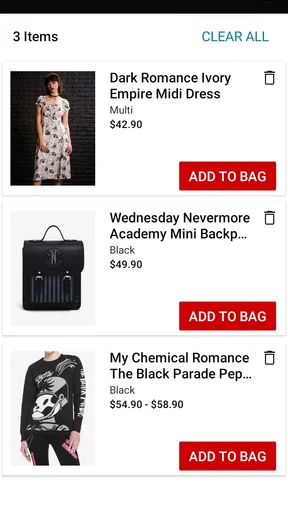
- Product images help showcase prints
- colors
- and character details.
- The app is useful for browsing themed collections by franchise or style.
Cons
- Some popular sizes and designs may sell out quickly.
- Licensed merchandise can be more expensive than basic clothing.
- Shipping costs may reduce the value of smaller orders.
- Product availability can differ between regions and locations.
- Some designs may appeal only to fans of specific franchises.
FAQs for Hot Topic: Pop Culture Fashion
What is Hot Topic: Pop Culture Fashion?
Hot Topic: Pop Culture Fashion is the official shopping app for fans of alternative fashion, music, anime, gaming, movies, television, and other pop-culture franchises. It lets you browse themed clothing, accessories, collectibles, jewelry, and gifts from a mobile device. Product availability, designs, and licensed collections can change frequently, so the selection may look different each time you open the app.
Can I use the app to buy Hot Topic products?
Yes. The app is designed for browsing and purchasing Hot Topic merchandise directly from your phone or tablet. You can view product details, select available sizes or variations, add items to your cart, and complete checkout using the payment methods offered in your region. Before ordering, carefully review shipping charges, estimated delivery dates, return conditions, and any applicable taxes or promotional restrictions.
Does Hot Topic: Pop Culture Fashion offer exclusive products or discounts?
The app may feature exclusive collections, limited-edition merchandise, app promotions, clearance items, and member-related offers. Deals can depend on your location, account status, selected products, and the current promotion period. Some discounts may exclude newly released, licensed, or already reduced items. It is worth checking the offer terms before checkout because availability and promotional rules can change without notice.
Do I need an account to use Hot Topic: Pop Culture Fashion?
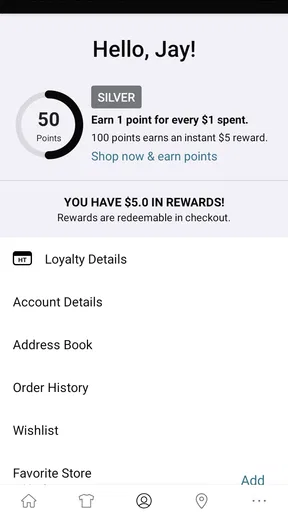
You can generally explore products and search through the catalog without creating an account, but an account may be useful when you want to save personal information, manage orders, track purchases, or access loyalty-related benefits. Account requirements can vary during checkout and by region. If you prefer not to register, check whether guest checkout is available before adding items to your cart.
Is Hot Topic: Pop Culture Fashion available for everyone and on every device?
The app is intended for fans of pop culture merchandise, but the exact experience depends on your country, device, operating system, and the version available through your app store. Some products, payment options, shipping destinations, and promotions may be limited geographically. Make sure your device meets the store’s requirements and download the official listing to avoid unofficial or misleading copies.


